The "Free VPN" Trap: How Zero-Cost Apps Sell Your Digital Identity
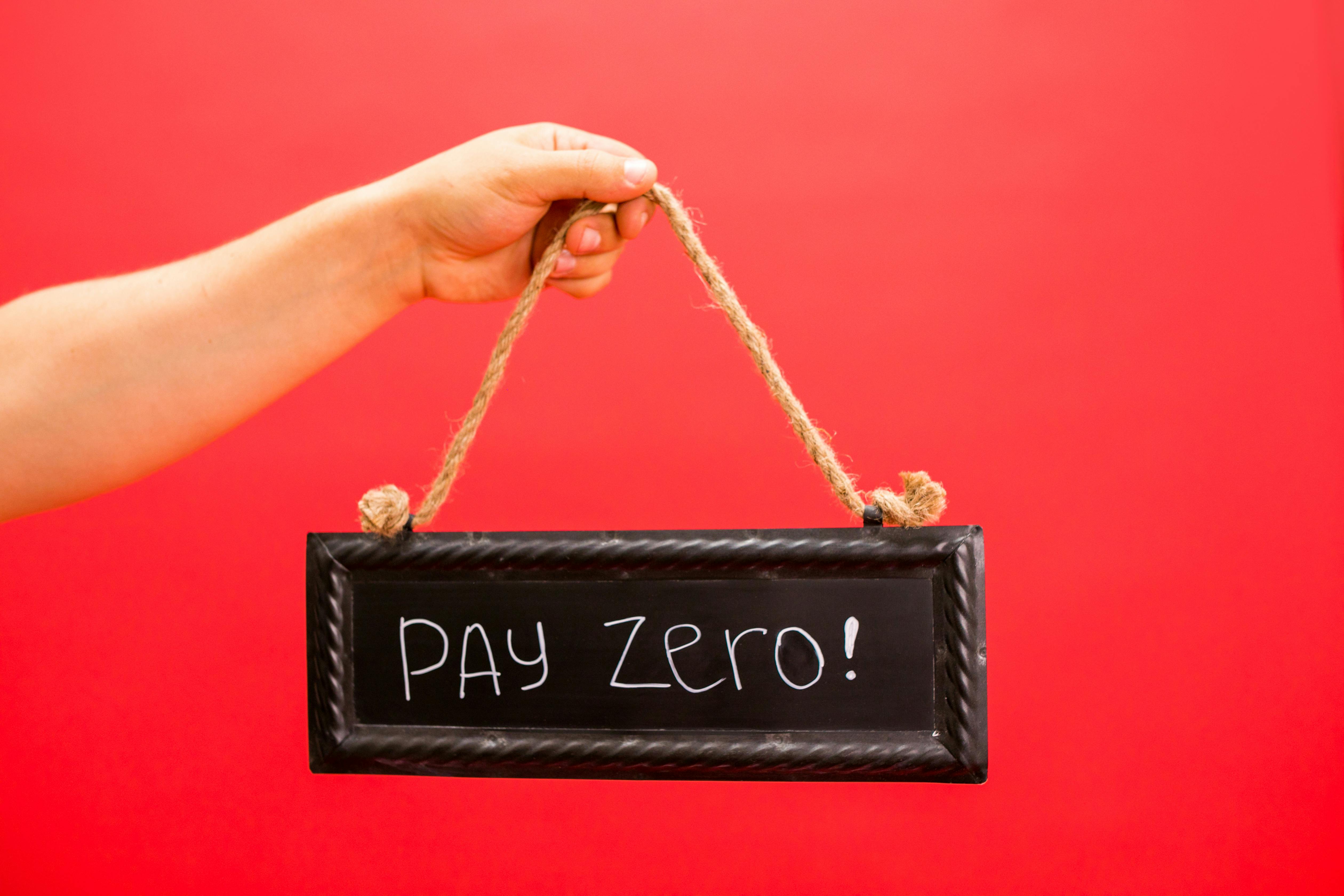
It’s the oldest rule on the internet, yet millions of people ignore it every day: "If you aren't paying for the product, you are the product."
We get it. Nobody likes adding another monthly subscription to their credit card. So when you see a "100% Free Unlimited VPN" on the App Store with a 4.5-star rating, it feels like a steal. But you aren't robbing them. They are robbing you.
Running a global network of high-speed servers costs millions of dollars a month in bandwidth, electricity, and engineering. If a company isn't charging you a subscription fee, they have to monetize something else. That "something else" is your digital soul.
The Economy of Data Brokers
Most free VPNs are essentially spyware with a marketing budget. Instead of protecting your data from your ISP, they simply intercept it themselves, package it into neat user profiles, and sell it to the highest bidder.
Here is what they harvest while you think you're browsing privately:
- Your Real IP Address: Often leaked due to cheap, faulty code.
- Device ID & GPS Location: Sold to advertisers to track your physical movements.
- App List: Which banking apps you use, which games you play, and your dating preferences.
Case Study: The "Hola VPN" Botnet
A few years ago, the hugely popular free service Hola VPN was caught doing something unthinkable. They weren't just selling data; they were selling their users' bandwidth.
If you used the free version, your computer became an "exit node" for paying users. Strangers were routing traffic through your IP address. If a hacker used that connection to launch a cyberattack or download illegal material, the police would knock on YOUR door, not theirs.
Malware in Disguise
It gets worse than just data selling. A landmark study by CSIRO analyzed nearly 300 free VPN apps on the Google Play Store. The results were terrifying:
- 38% contained malware or malvertising.
- 84% leaked IPv6 user traffic.
- 75% used third-party tracking libraries to monitor users even when the VPN was off.
When you download a random "Free Super VPN" from an unknown developer, you are essentially giving a stranger "Root" or "Admin" privileges to route all your traffic. You are bypassing your ISP's security only to hand your banking passwords directly to a shell company in a jurisdiction with zero privacy laws.
The Performance Penalty
Let's pretend for a moment that you found a free VPN that doesn't sell your data (a unicorn, basically). You are still going to suffer.
Free tiers are deliberately throttled. They are overcrowded, slow, and block streaming services like Netflix. Why? Because they want to frustrate you into upgrading to their premium plan. It is a "Freemium" psychological trap. You pay with your time, your patience, and your battery life—free VPN apps are notorious for draining mobile batteries by running aggressive ad scripts in the background.
There are only two exceptions: Proton VPN and PrivadoVPN offer limited free tiers. They do this as a public service, funded by their paid users. They are safe, but they are limited in speed and server locations. Anything else? Stay away.
Conclusion: Privacy Has a Price
In 2026, privacy is a luxury good. It requires engineering, audits, and legal defense.
You wouldn't trust a "Free Security Guard" to watch your house, so don't trust a free app to watch your digital life. The $2 or $3 a month you save is not worth the risk of identity theft, botnet inclusion, or having your browsing history auctioned off to data brokers.
Buy a coffee one less time a month. Pay for a verified, audited VPN. Your future self will thank you.
Stop Paying With Your Data.
Get a verified, premium VPN for as little as $2/month.
View Best Cheap VPNs